For Appointment: +1 (201) 210-2315

For Appointment: +1 (201) 210-2315
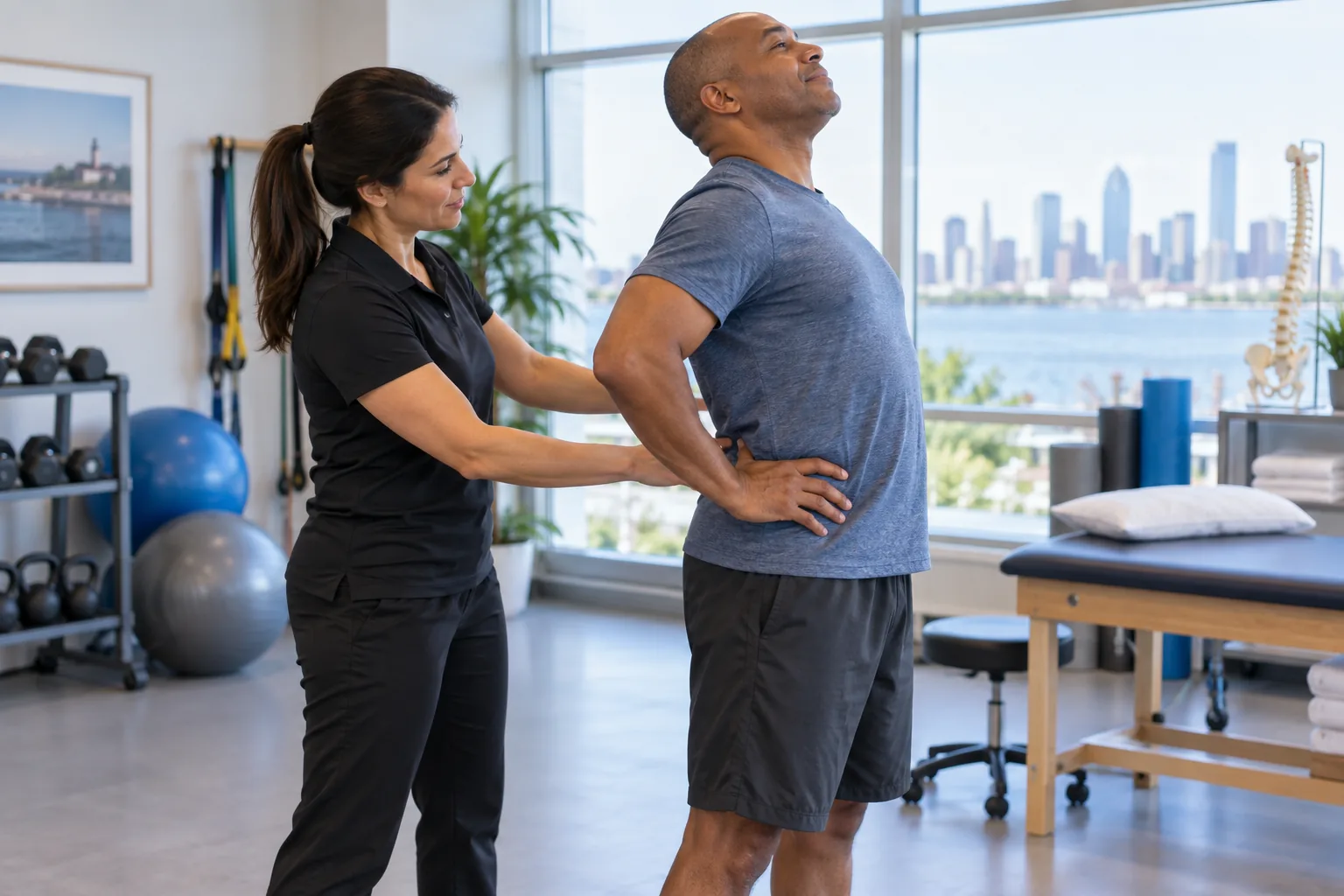
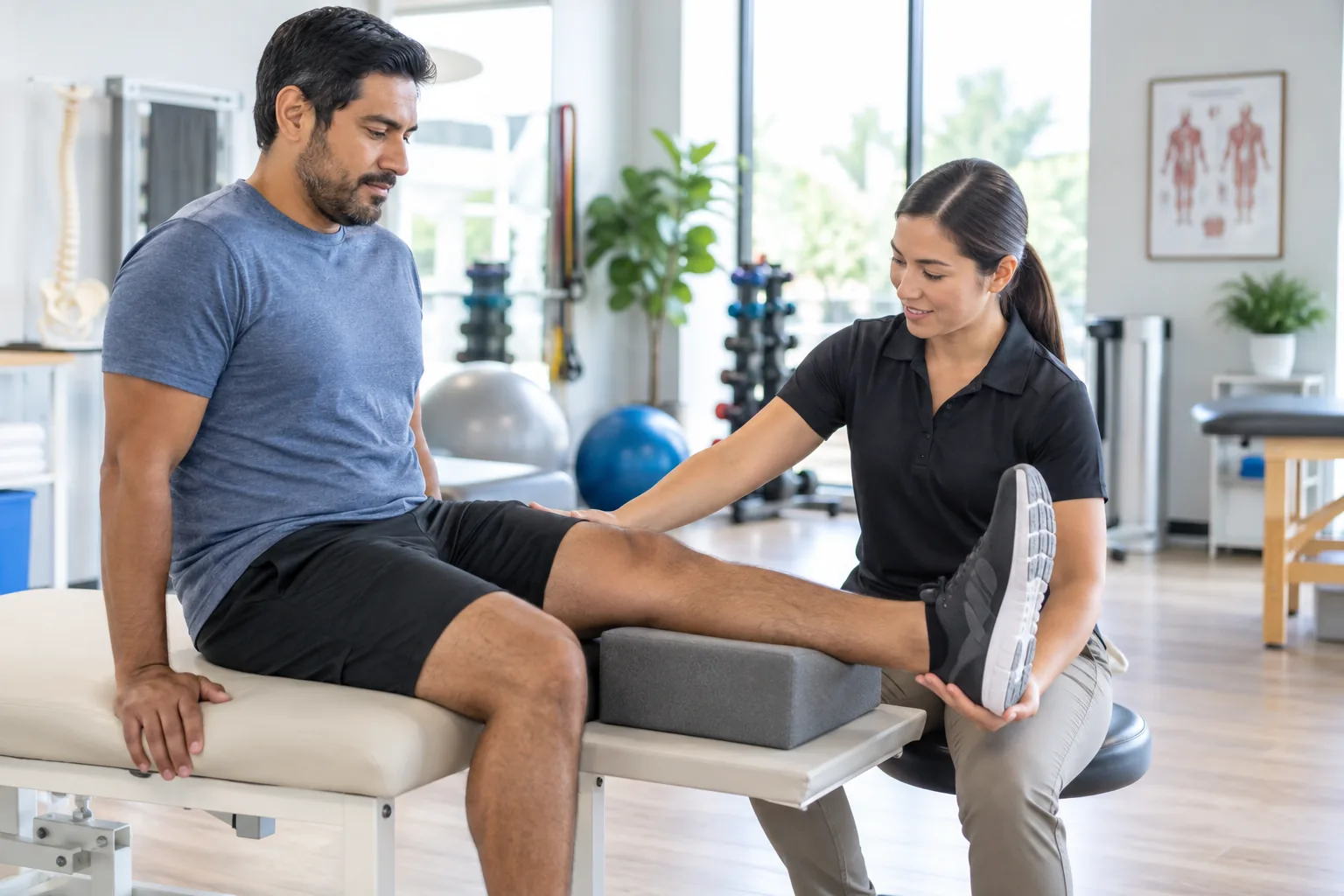
Physical therapy and Pilates both help improve strength, movement, and overall well-being, but they are designed for different purposes. Physical therapy is a personalized healthcare service that helps people recover from injuries, manage pain, improve mobility, and get back to their daily activities safely. A physical therapist evaluates each person’s specific condition and creates a treatment plan tailored to their individual needs and goals. Treatment may include hands-on techniques, targeted exercises, movement training, and education to help prevent future injuries.

Pilates is a form of exercise that focuses on core strength, posture, flexibility, balance, and body awareness. It can be a great way to stay active and build strength, and some physical therapists may include Pilates-based exercises as part of a rehabilitation program when appropriate.
While research shows that Pilates can be helpful for certain conditions, it is not a substitute for an individualized physical therapy evaluation and treatment plan. The main difference is that physical therapy is designed to address specific injuries, pain, or movement limitations, while Pilates is primarily an exercise approach focused on overall fitness and body control. Together, they can complement each other and help support long-term health, strength, and movement.
References: Wong et al., 2023; Yu et al., 2023; Byrnes et al., 2018. Evidence from systematic reviews suggests that Pilates may help improve pain, function, and movement in certain musculoskeletal conditions, particularly low back pain, while physical therapy remains the standard approach for individualized evaluation, rehabilitation, and recovery.


Beyond Radix Physical Therapy is dedicated to restoring mobility, reducing pain, and helping patients move confidently through personalized, evidence-based care delivered by experienced physical therapists.

Beyond Radix Physical Therapy – © . All rights reserved.
Beyond Radix Physical Therapy provides personalized, evidence-based rehabilitation services to help you move better, recover safely, and live pain-free. Our expert therapists focus on long-term results and compassionate care.