For Appointment: +1 (201) 210-2315

For Appointment: +1 (201) 210-2315
Evidence-Based Rehabilitation Blog

Multiple Sclerosis (MS) is a chronic neurological condition that can affect strength, balance, coordination, mobility, endurance, and overall functional independence. Because symptoms and their severity can vary significantly between individuals, exercise selection should be individualized rather than based on a one-size-fits-all program.
Physical therapy plays an important role in helping individuals with MS maintain mobility, strength, cardiovascular fitness, balance, and participation in daily activities. The right exercise depends on the individual’s current symptoms, fatigue level, balance, strength, mobility, and functional goals.
Progressive resistance exercises can help address weakness and improve functional strength. Exercises such as sit-to-stand, resisted hip strengthening, step-ups, and upper-extremity strengthening can be selected according to the individual’s abilities and goals.
For individuals experiencing balance or coordination difficulties, exercises may include weight shifting, tandem stance, single-leg activities when appropriate, reaching tasks, and functional balance challenges. These exercises can be progressed gradually while maintaining safety.
Walking, cycling, aquatic exercise, or other low-impact cardiovascular activities may help improve endurance and reduce deconditioning. Intensity and duration should be adjusted based on the person’s tolerance and symptoms.
Gentle stretching and mobility exercises can help maintain available range of motion and address stiffness that may interfere with movement and daily activities.
Fatigue and heat sensitivity can be important considerations when exercising with MS. Exercise intensity, duration, rest periods, environment, and timing may need to be modified based on the individual’s response.
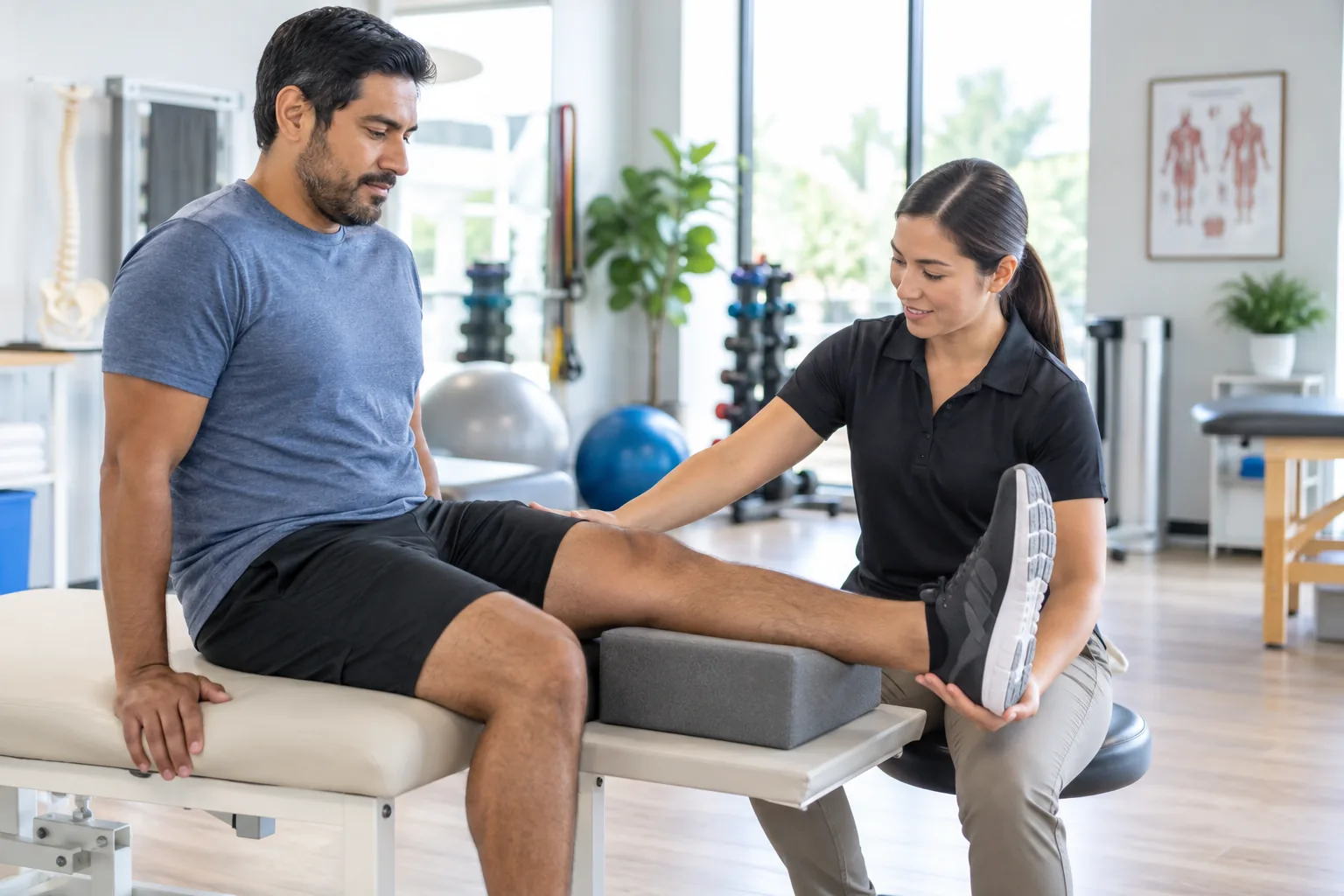
A physical therapist can monitor movement quality, fatigue, balance, strength, and functional performance and modify the program accordingly. The goal is not simply to exercise more—it is to choose the appropriate exercise, at the appropriate intensity, for the individual’s current needs.
At our clinic, MS rehabilitation may incorporate therapeutic exercise, balance and coordination training, gait training, functional strengthening, flexibility, aerobic conditioning, energy-conservation strategies, and patient education to create a safe and individualized rehabilitation program.



Beyond Radix Physical Therapy is dedicated to restoring mobility, reducing pain, and helping patients move confidently through personalized, evidence-based care delivered by experienced physical therapists.

Beyond Radix Physical Therapy – © . All rights reserved.
Beyond Radix Physical Therapy provides personalized, evidence-based rehabilitation services to help you move better, recover safely, and live pain-free. Our expert therapists focus on long-term results and compassionate care.