For Appointment: +1 (201) 210-2315

For Appointment: +1 (201) 210-2315
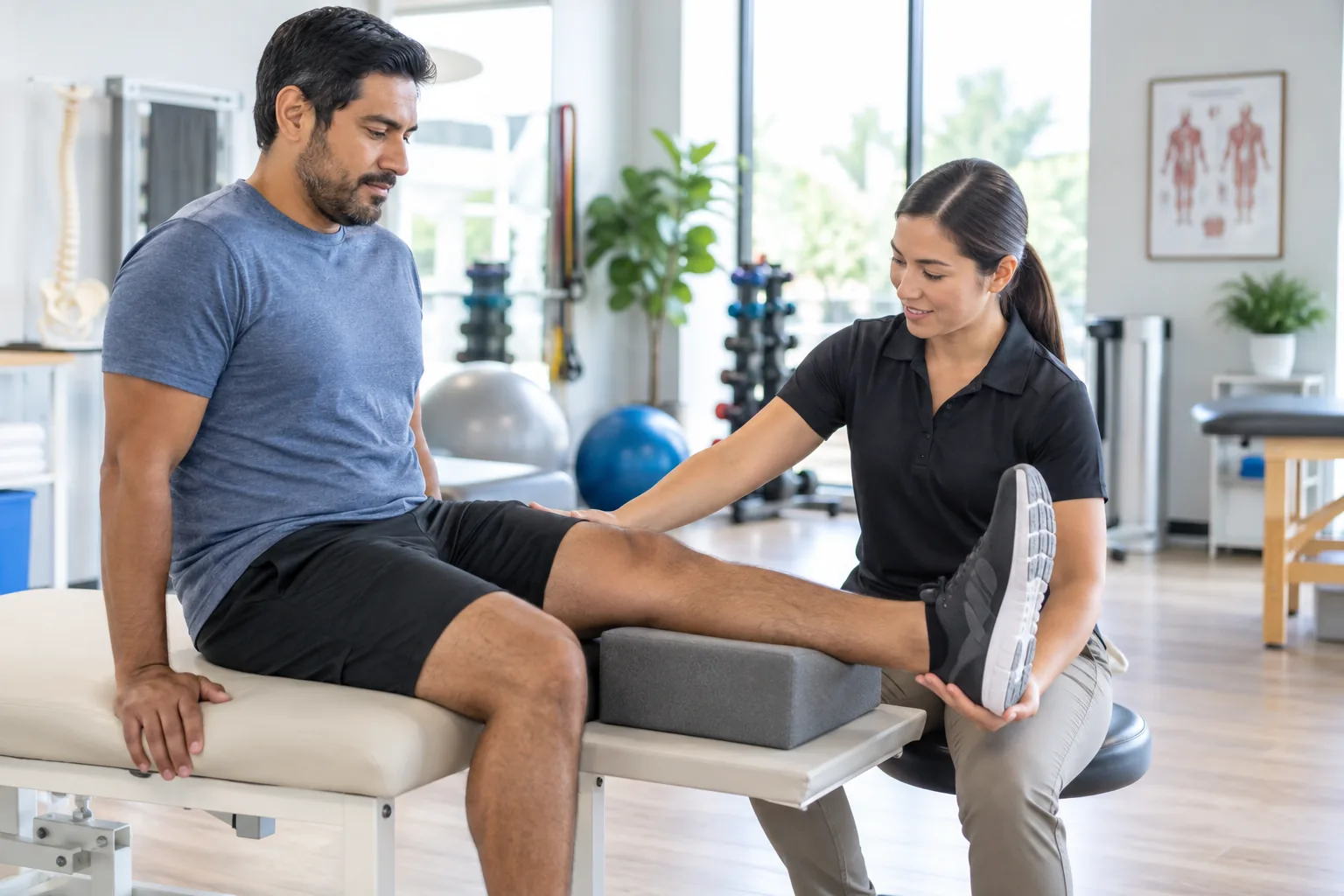
Physical therapy does not stop when you leave the clinic. One of the most important parts of rehabilitation is what you do between your therapy sessions—your Home Exercise Program (HEP).

A Home Exercise Program is a personalized set of exercises provided by your physical therapist to support your recovery at home. These exercises are selected based on your condition, goals, strength, mobility, and functional needs.
Attending physical therapy sessions is important, but consistent practice at home helps reinforce the progress made during treatment. Following your HEP can help:
Think of physical therapy as a partnership. Your therapist provides guidance, education, and appropriate progression, while your home exercises allow you to continue working toward your goals outside the clinic.
You do not have to perform every exercise perfectly from the beginning. What matters is following the recommended program consistently and communicating with your therapist if an exercise causes unexpected pain or feels too difficult.
Your therapist can modify or progress your exercises as your condition improves.
Your Home Exercise Program is not simply “homework.” It is an important part of your treatment plan and gives you an opportunity to take an active role in your recovery.
A few minutes of consistent effort at home can help support the work you are doing in the clinic and move you closer to your rehabilitation goals.



Beyond Radix Physical Therapy is dedicated to restoring mobility, reducing pain, and helping patients move confidently through personalized, evidence-based care delivered by experienced physical therapists.

Beyond Radix Physical Therapy – © . All rights reserved.
Beyond Radix Physical Therapy provides personalized, evidence-based rehabilitation services to help you move better, recover safely, and live pain-free. Our expert therapists focus on long-term results and compassionate care.