For Appointment: +1 (201) 210-2315

For Appointment: +1 (201) 210-2315
Urinary incontinence is a common condition affecting individuals of all ages, often impacting daily activities and quality of life. While many people focus only on strengthening pelvic floor muscles, an often overlooked but essential component of rehabilitation is proper breathing mechanics.
The diaphragm and pelvic floor work together as part of a coordinated system that regulates pressure within the abdomen. Dysfunction in breathing patterns can disrupt this coordination, leading to increased strain on the pelvic floor and contributing to symptoms such as leakage or discomfort.
When breathing is shallow or chest-dominant, the pelvic floor may not engage properly. Diaphragmatic breathing helps synchronize muscle activity, allowing the pelvic floor to contract and relax naturally. This coordination is essential for improving bladder control and reducing unnecessary pressure on pelvic structures.
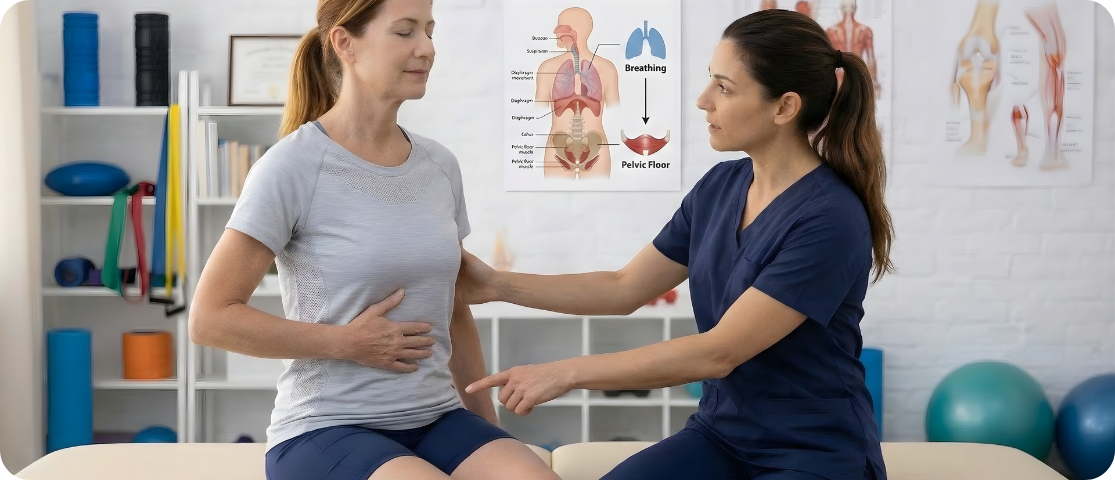
Integrating breathing techniques into pelvic floor rehabilitation enhances the effectiveness of therapy. It not only supports muscle function but also promotes relaxation, reduces tension, and improves overall body awareness.
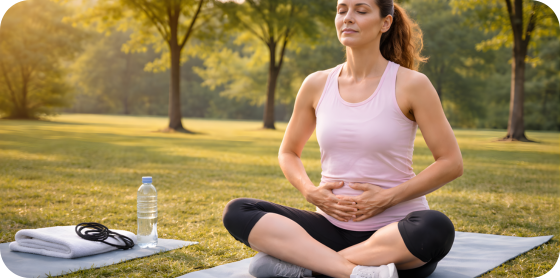
A comprehensive pelvic floor rehabilitation program should always include breathing retraining along with strengthening exercises. This integrated approach helps patients achieve better control, reduce symptoms of incontinence, and improve overall pelvic health and confidence in daily life.


Beyond Radix Physical Therapy is dedicated to restoring mobility, reducing pain, and helping patients move confidently through personalized, evidence-based care delivered by experienced physical therapists.

Beyond Radix Physical Therapy – © . All rights reserved.
Beyond Radix Physical Therapy provides personalized, evidence-based rehabilitation services to help you move better, recover safely, and live pain-free. Our expert therapists focus on long-term results and compassionate care.
